Have your say on e-invoicing
The government is seeking views on the standardisation of electronic invoicing. Why, and how can you join the consultation?
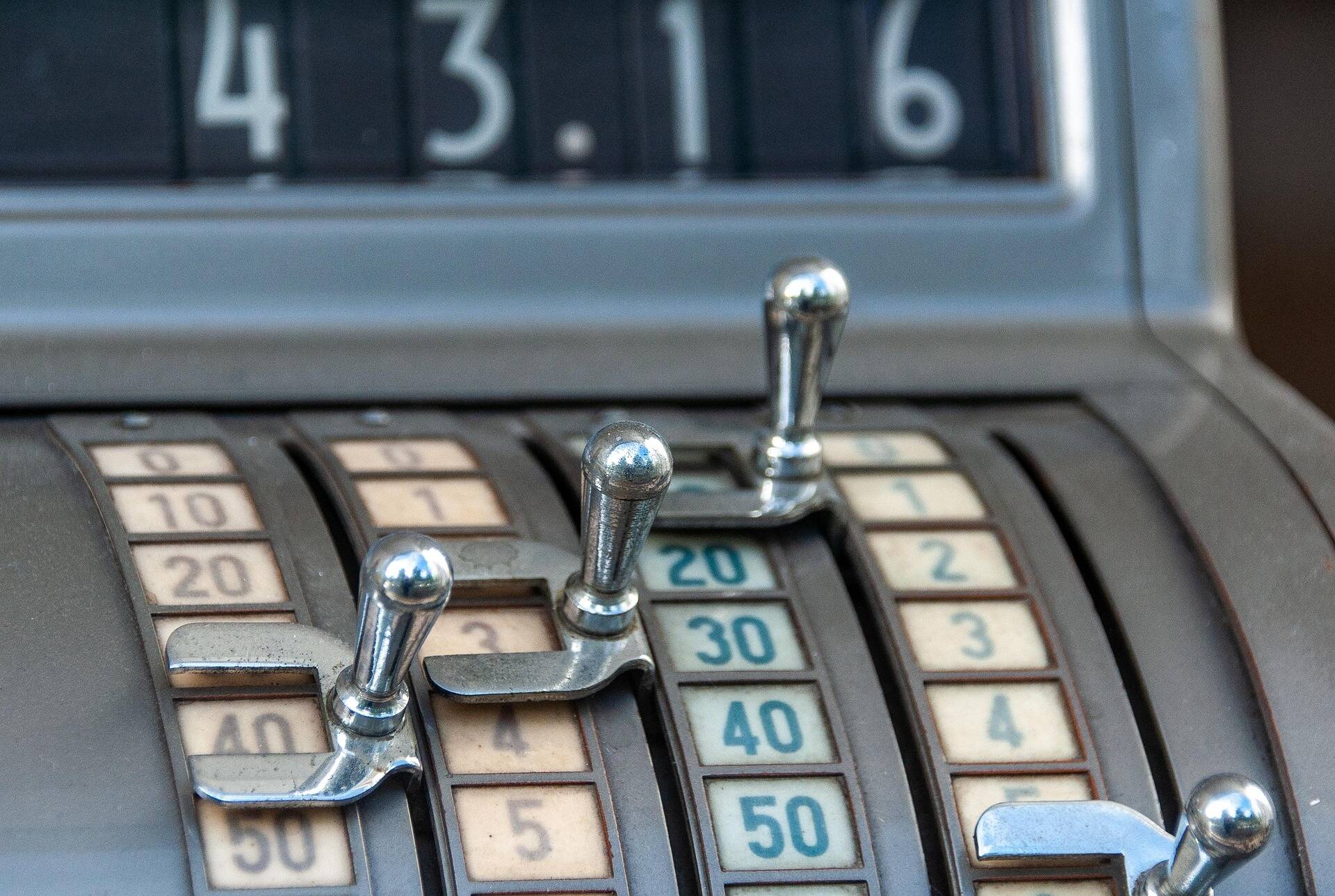
E-invoicing refers to digitally generated invoices between suppliers and customers. This is more involved than, say, generating a PDF from a manually typed document, and would usually be initiated via the accounting/bookkeeping software. The government is looking at the possibility of standardising e-invoicing, and has launched a consultation that will run until 7 May 2025. The stated aim of the consultation is to gather views - there are no planned short-term changes - and will cover the following areas:
- different models of e-invoicing
- whether to take a mandated or voluntary approach to e-invoicing
- what scope of mandate might be most appropriate in the UK and for businesses
- whether e-invoicing should be complemented by real time digital reporting.
Standardisation would mean the requirements for e-invoicing would need to be harmonised by common requirements. Currently, it may be possible to use e-invoicing for some suppliers/customers but not others due to differences between systems used. To submit your views, use the link above.
 This website uses both its own and third-party cookies to analyze our services and navigation on our website in order to improve its contents (analytical purposes: measure visits and sources of web traffic). The legal basis is the consent of the user, except in the case of basic cookies, which are essential to navigate this website.