Important tax deadline approaching fast
With all the focus on the forthcoming Budget this month, it is easy to forget that 31 October is a key tax deadline in the annual calendar. What is it, and what are the consequences of missing it?
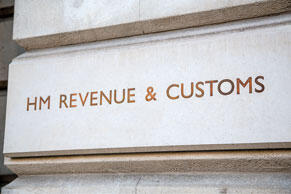
The deadline for filing the annual tax return is 31 January. Everyone knows that - after all, that's the month all the reminder adverts start appearing in the media. However, the 31 January deadline only applies to returns that are submitted electronically. Unlike companies, individuals can still fill in a paper return and submit it to HMRC. The only problem is that the corresponding deadline is three months earlier, i.e. 31 October. If this is missed, a £100 penalty will be applied. Of course, this can be avoided by submitting an electronic return before 31 January, but for some people this isn't practical. For example, they may not have access to a computer.
In some circumstances, a return is incapable of being accepted electronically due to HMRC's system. In these instances a paper return is the only option, and an extended deadline of 31 January applies. A late filing penalty would initially be charged, but known issues will be accepted as a reasonable excuse upon appeal. A list of current issues is availaible for 2020/21.
Related Topics
-
Give your children a cheap mortgage
Your son is struggling to get on the property ladder and current mortgage interest rates are making it harder. You’re over the inheritance tax (IHT) threshold but you’re reluctant to give him the money because you’ve heard horror stories about others losing half of it in a divorce. Is a family loan the solution for both of you?
-
Loan Charge settlement offers begin to land
HMRC has begun sending formal settlement offers to individuals and employers with outstanding Loan Charge liabilities, alongside detailed new guidance explaining how offers will be calculated and how long recipients have to respond. What’s the full story?
-
The hidden income tax benefit of marriage
You recently got married and a relative joked that you can save lots of money because of the tax breaks for married couples. As a newlywed are you entitled to a reduction in your income tax bill?
 This website uses both its own and third-party cookies to analyze our services and navigation on our website in order to improve its contents (analytical purposes: measure visits and sources of web traffic). The legal basis is the consent of the user, except in the case of basic cookies, which are essential to navigate this website.