Why consider paying voluntary Class 2 NI via tax returns?
Class 2 NI is paid by the self-employed. If your profits were adversely affected by the pandemic in 2021/22, you might be below the small profits threshold. How can you ensure you preserve your entitlement to the state retirement pension if so affected?
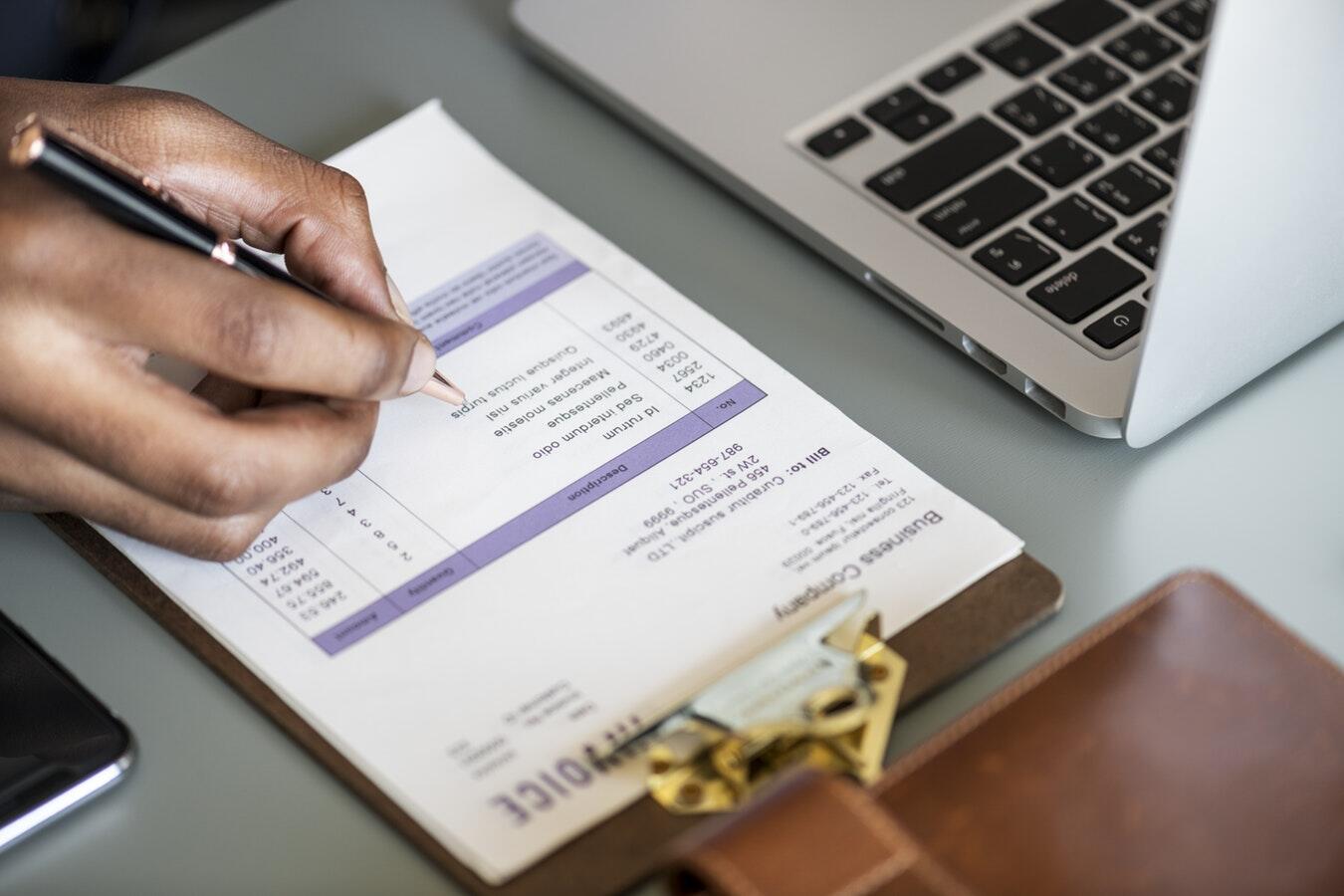
Self-assessment collects tax and NI from self-employed individuals, including Class 2 NI. HMRC’s latest Agent Update provided a useful reminder of the rates and thresholds for 2022/23 following the aligning of the payment thresholds with the income tax personal allowance, but it overlooked a key point that you should consider when filing your tax return for 2021/22 ahead of next week's deadline.
The small profits threshold for 2021/22 was £6,515. With many businesses still in recovery from the pandemic, you may find that your profits don’t exceed this, meaning you don’t need to pay the £3.05 per week fixed amount. This seems like good news. However, unless you are also paying Class 1 NI, e.g. because you are employed as well, Class 2 NI is the only way of securing a qualifying year toward your state retirement pension. Low profits mean you can miss out on accruing further entitlement. Fortunately, there is a solution. You can choose to pay Class 2 NI voluntarily where your profits are below the payment threshold. If you submit your own return, you will be asked if you wish to do this as part of the self-employment section. If you use an accountant, let them know if you wish to do this. If you have already submitted your return, and want to use the solution, you can amend it to include the modest (approximately £159) amount, but you must do this by 31 January 2023 and pay the amount by that date too. HMRC will not accept an amendment for voluntary Class 2 NI after that date.
Related Topics
-
Mandatory payrolling of benefits in kind delayed
The government has revised plans to introduce the mandatory payrolling of benefits in kind from 6 April 2027, which will now be limited to company cars, vans, fuel and medical benefits. What's the full story?
-
Personal vs company donation to charity
You’re an owner manager and want to make a £5,000 donation to a local charity. You’ve claimed income tax relief under the gift aid scheme for smaller amounts but could it be more tax efficient to make the donation via the company?
-
Uber loses VAT margin scheme appeal
The Court of Appeal has ruled that Uber cannot use the Tour Operators Margin Scheme (TOMS) when accounting for VAT on its ride-hailing services. The decision could have significant implications for businesses that act as intermediaries when supplying services to consumers. What was the dispute about?
 This website uses both its own and third-party cookies to analyze our services and navigation on our website in order to improve its contents (analytical purposes: measure visits and sources of web traffic). The legal basis is the consent of the user, except in the case of basic cookies, which are essential to navigate this website.